Interchange Fee Examples: Understanding Credit Card Interchange Fees
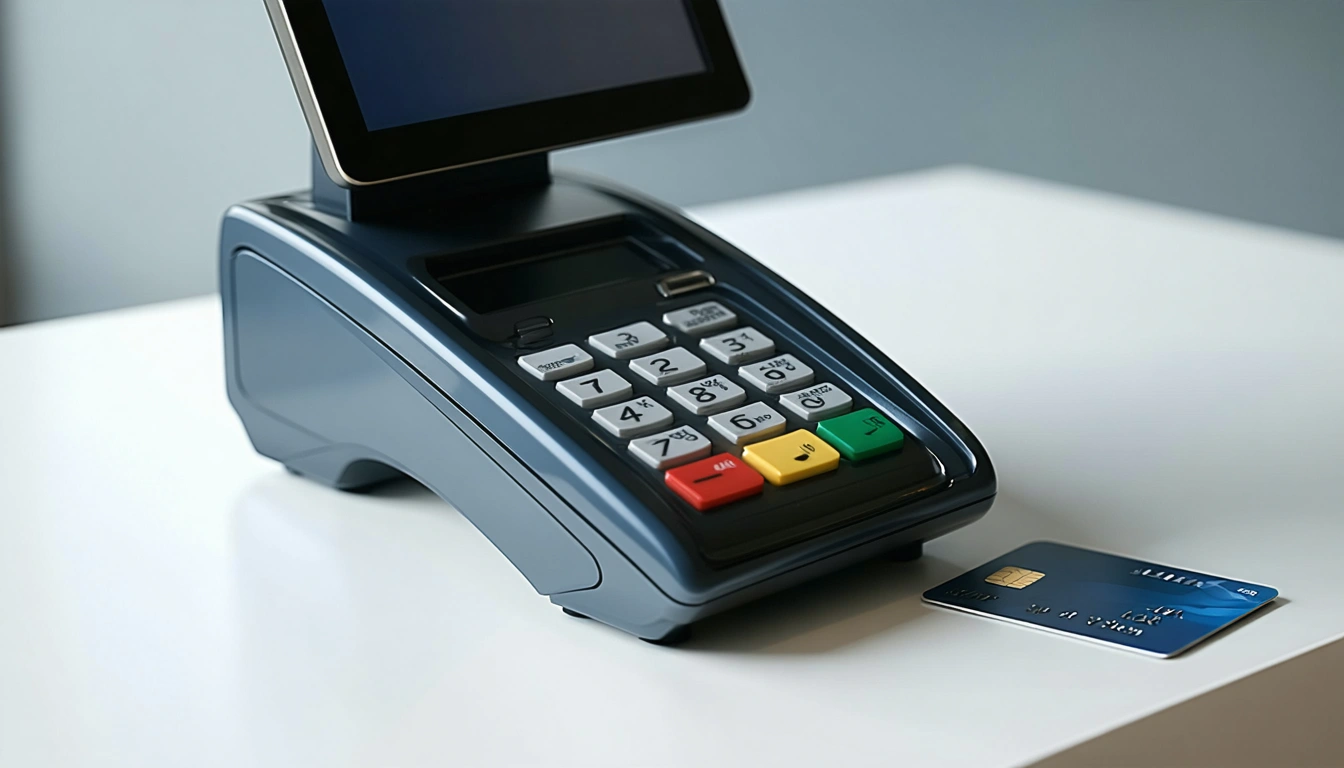
Merchants forfeit up to 3% of every credit card sale to interchange fees, the largest slice of processing costs set by networks like Visa and Mastercard. These charges compensate issuers for fraud risk and funding, yet most business owners treat them as a black box, absorbing hits without scrutiny. A closer look at one interchange fee example—a $50 keyed rewards card transaction costing $1.80 plus $0.10—shows how choices in payment acceptance cascade into thousands of dollars yearly.
Credit card interchange fees vary by card type, entry method, and merchant category, creating a maze of rates updated biannually. Merchants qualifying for lowest tiers save 0.5% per swipe; those stuck in higher buckets pay premiums. This guide dissects the mechanics with precise interchange fee examples drawn from published schedules, uncovers rate drivers, and outlines cost-control tactics. Readers emerge equipped to audit statements, push processors for transparency, and shift customer behavior toward cheaper options. Beyond theory, these insights apply to retail, e-commerce, and services alike, turning opaque fees into manageable expenses.
Grasping credit card interchange fees empowers negotiation power. Processors blend them into blended rates masking true costs; pass-through pricing reveals the baseline. Armed with examples, merchants demand breakdowns and compliance proofs, reclaiming margins long surrendered.
What Are Interchange Fees?
Core Definition and Purpose
Interchange fees represent the payment from the merchant's acquirer to the cardholder's issuer. Networks dictate rates to cover authorization, settlement, and risk. Merchants bear the ultimate cost, embedded in processor bills.
Payment Flow Breakdown
A transaction triggers this sequence: customer tenders card, terminal requests authorization from issuer via network, approval returns, funds settle days later. Interchange extracts value at the issuer handoff.
- Issuer approves charge and advances funds to customer.
- Network routes request, applies interchange rate.
- Acquirer reimburses merchant minus fees.
Interchange vs. Other Processing Costs
Distinct from assessments (network royalties) or markup (processor profit), interchange dominates at 70-90% of total. Credit card interchange fees exclude these add-ons.
Factors Determining Credit Card Interchange Fees
Card Product and Issuer Type
Signature rewards cards carry higher rates than standard; business cards exceed consumer. Debit splits regulated (capped at 0.05% + $0.21) from unregulated (1-2%).
Transaction Channel and Method
Card-present swipes beat keyed entries; contactless edges keyed. E-commerce draws 0.5-1% premiums for fraud exposure.
Merchant-Specific Variables
Category codes dictate baselines—supermarkets lower than services. Sales volume qualifies volume tiers; cross-border adds 1%.
Real Interchange Fee Examples
Visa Credit Card Rates
Consumer credit, card-present: 1.51% + $0.10. Rewards signature: 2.40% + $0.10. A $100 retail swipe yields $1.51 to $2.40 interchange.
Mastercard Benchmarks
Standard consumer: 1.58% + $0.10. World Elite rewards: 2.30% + $0.10. Keyed bumps to 1.55% + $0.10 for consumer.
- Debit PIN: 0.05% + $0.21.
- Business standard: 2.20% + $0.10.
Amex and Discover Variations
Amex consumer: 2.30% + $0.10 average. Discover mirrors Visa closely, often 1.75% + $0.15 for credit.
Strategies to Lower Interchange Exposure
Optimize Transaction Qualification
Deploy EMV chips, enforce PINs, transmit full data. Non-qualified transactions incur 1-2% surcharges.
Influence Payment Mix
Promote debit, ACH, or cash discounts. Surcharge credit where legal, capping at 4%.
Select Transparent Pricing Models
Interchange-plus reveals true credit card interchange fees; shop acquirers for low markups (0.20-0.50%).
Monitor and Audit Regularly
Reconcile statements against network schedules biannual updates. Dispute misapplied rates.
What is the difference between interchange fees and merchant discount rates?
Interchange forms the base network-set fee; merchant discount rate layers processor markup atop it. Blended MDR hides components; interchange-plus separates them for clarity.
How often do credit card interchange fees change?
Visa and Mastercard update schedules April and October, reflecting risk models and volume incentives. Merchants receive advance notice from processors.
Can small merchants negotiate lower interchange rates?
Networks fix rates, but processors compete on markup and qualification aid. Aggregators offer flat rates trading transparency for simplicity.
Do contactless payments reduce interchange fees?
They qualify as card-present, avoiding keyed premiums, but rewards cards maintain high bases. Adoption cuts overall costs through speed and data capture.
Are there caps on debit interchange fees?
Durbin Amendment caps regulated debit at 0.05% + $0.21 for banks under $10B assets; larger banks pay unregulated rates up to 2.5%.
How do I verify my interchange fee example on statements?
Request interchange-plus statements listing category codes and rates. Cross-reference against Visa/Mastercard public schedules for your volume tier.