Live Entertainment Streaming Guide: Events, Mobile Access, Supported Countries, Accounts, Payments, Age Limits, Support, and 24/7 Availability
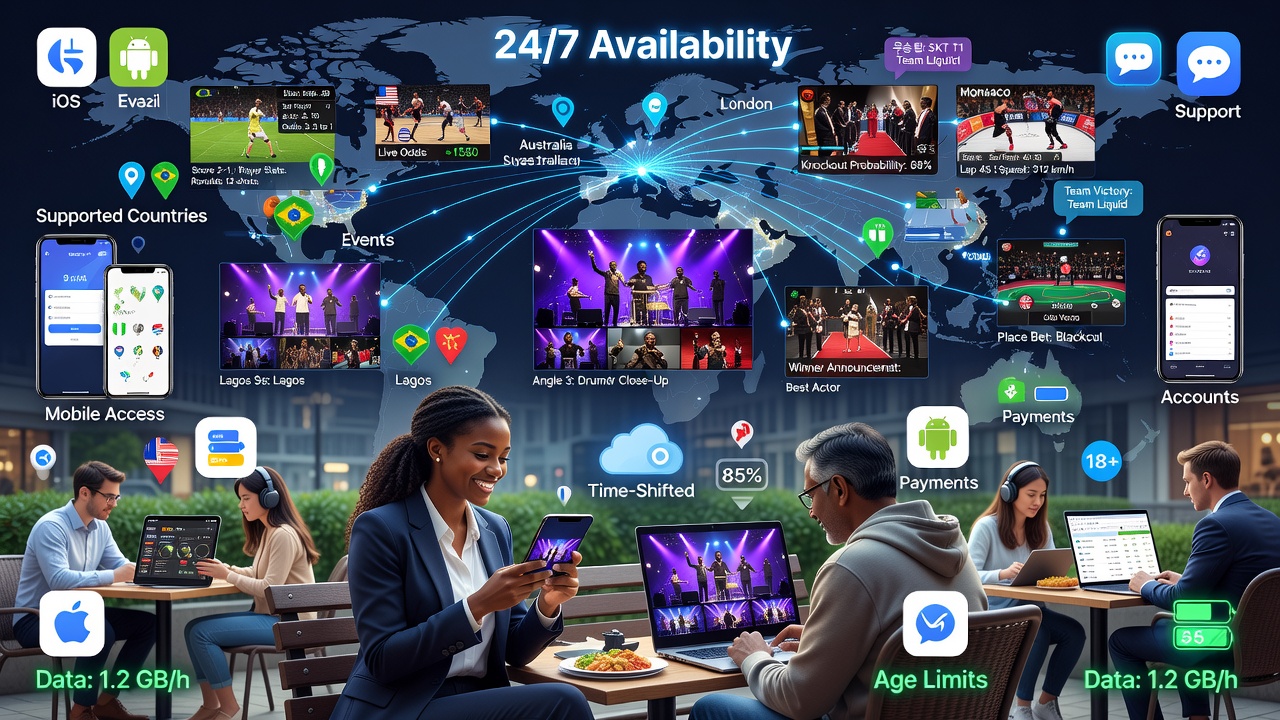
A concert that starts in Lagos at 9 p.m. can be watched by a viewer in London during their lunch break, thanks to time-shifted streaming and cloud-based playback. This gap between when an event happens and when someone actually experiences it has quietly become one of the defining features of modern entertainment. Live streaming platforms no longer just broadcast - they archive, translate, and repackage events for audiences who never intended to be awake at 3 a.m. to catch a match or a show in real time.
Understanding how these platforms actually work matters more than most people realize, especially once you start comparing what's on offer across different services. Some platforms specialize in concerts and award shows, others in sports and competitive gaming, and a growing number blend all three into a single subscription. If you're exploring options, a platform such as artemisbet live illustrates how a single access point can bundle sports coverage, entertainment programming, and interactive features without forcing users to juggle five different apps. The convenience is real, but so are the questions - about cost, device compatibility, and whether your country even qualifies for full access.
This guide walks through the practical mechanics of live entertainment streaming: what's actually available, how to watch it, which devices and regions are supported, and what happens once money and personal data enter the equation. The goal is clarity, not marketing gloss.
What Live Entertainment Options Are Available
Live entertainment streaming has expanded well beyond its original scope of televised sports and concert broadcasts. Today's platforms typically organize content into distinct categories, each with its own scheduling logic and audience expectations.
Sports and Competitive Events
Live sports remain the backbone of most streaming platforms. Football, basketball, tennis, motorsports, and combat sports dominate schedules because they draw predictable, recurring audiences. Betting-adjacent platforms often pair sports streams with real-time statistics and odds displays, turning a passive viewing experience into something more analytical.
Music, Awards, and Cultural Broadcasts
Concerts, award ceremonies, and festival broadcasts have become a significant category in their own right. These events tend to be scheduled well in advance, and platforms increasingly offer pre-show countdowns, backstage segments, and multi-angle camera options.
Casino and Interactive Entertainment
Live dealer games and interactive game shows sit in a category of their own, combining real-time video with participatory mechanics. These formats blur the line between spectator content and active engagement, which is part of why they've grown so quickly.
- Football, basketball, and tennis matches broadcast in real time
- Motorsport and combat sports events with replay options
- Concerts, award shows, and cultural broadcasts
- Live dealer casino games and interactive game shows
- Esports tournaments with commentary and multi-language options
How Can I Watch Live Events Online
Watching a live event online generally requires three things: an account, a stable internet connection, and a supported device. Most platforms stream directly through a browser, which means no software installation is strictly necessary, though dedicated apps often perform better on weaker connections.
Browser-Based Streaming
Browser access works well for desktop users and remains the fastest way to start watching without downloading anything. Video quality adjusts automatically based on connection speed, though manual quality controls are usually available for viewers on capped data plans.
Choosing the Right Connection Speed
Standard-definition streams typically need a stable low-bandwidth connection, while high-definition broadcasts require considerably more consistent throughput. Viewers in areas with unreliable internet often find that lowering stream quality manually prevents constant buffering during critical moments - the final minutes of a match, for instance.
Is Live Entertainment Available on Mobile Devices
Mobile access has moved from a convenience to an expectation. Most platforms now design mobile experiences first, recognizing that a majority of live viewership happens on smartphones rather than desktops.
Native Apps Versus Mobile Browsers
Dedicated mobile apps generally offer smoother performance, push notifications for upcoming events, and offline features like saved preferences. Mobile browser access, by contrast, requires no download but can be slightly less stable during high-traffic events.
Data Usage and Battery Considerations
Streaming live video consumes considerably more data and battery than static content. Viewers watching extended events - a full football match or a multi-hour award show - should expect noticeable battery drain, particularly at higher resolutions.
What Countries Are Supported for Live Streaming
Regional licensing agreements determine which countries get full access to specific broadcasts. Sports rights, in particular, are sold territory by territory, which means a match freely available in one country might be blacked out or restricted in another.
Regional Licensing Restrictions
Broadcasters negotiate exclusive rights for specific regions, and streaming platforms must honor those agreements. This is why a viewer traveling abroad sometimes finds their usual content unavailable, even while logged into the same account.
Checking Availability Before Signing Up
Before committing to a platform, it's worth confirming that your country is fully supported for both streaming and account registration. Some services operate in a "viewing only" capacity in certain regions, without offering account creation or payment processing locally.
How Do I Create an Account
Account creation typically follows a standard pattern across most live entertainment platforms, though verification requirements vary by region and by the type of content offered.
Registration Steps
The process usually starts with basic details - name, email, date of birth, and a password - followed by identity verification for platforms involving payments or gambling-adjacent content. Some services send a confirmation email or SMS code before granting full access.
Verifying Your Identity
Identity checks often require a government-issued document, particularly for platforms handling deposits and withdrawals. This step protects both the user and the platform, and it's rarely optional once real money is involved.
Are There Age Restrictions for Live Entertainment Services
Age restrictions apply broadly across live streaming platforms, though the specific threshold depends on the type of content and the laws of the viewer's country.
Minimum Age Requirements
Most platforms set the minimum age at eighteen, particularly when betting, casino games, or payment processing are involved. General entertainment streaming without financial transactions may have looser restrictions, but verification is still common.
Verification Methods Used
Age verification typically relies on the same identity documents used during account creation. Some platforms cross-check submitted birth dates against national identity databases where legally permitted, adding an extra layer of accuracy beyond a simple checkbox.
How Can I Contact Customer Support
Reliable customer support separates trustworthy platforms from unreliable ones, particularly when payments or account access are involved.
Live Chat and Ticketing Systems
Live chat remains the fastest route for urgent issues - a failed payment, a login problem, or a stream that won't load. Ticketing systems, while slower, are better suited for detailed disputes that require documentation.
Response Times and Availability
Support availability often mirrors the platform's own content schedule. Services offering round-the-clock streaming typically staff support teams around the clock as well, since a technical issue during a live broadcast needs immediate attention, not a next-business-day reply.
What Payment Methods Are Available
Payment infrastructure varies significantly depending on region, but most established platforms support a mix of traditional and digital options.
Cards, Bank Transfers, and E-Wallets
Credit and debit cards remain the most universally accepted method, followed closely by bank transfers and e-wallet services. E-wallets often process faster, which matters for viewers wanting immediate access to paid content or betting features.
Mobile Money and Regional Options
In regions where traditional banking penetration is lower, mobile money services have become the dominant payment method. Platforms operating in these markets typically integrate local mobile payment providers directly, avoiding the friction of currency conversion.
How Do I Manage My Account Settings
Account settings control far more than just a password - they govern notification preferences, payment methods, privacy options, and in many cases, responsible gambling tools.
Updating Personal Information
Most platforms allow users to update contact details, payment methods, and notification preferences directly through an account dashboard. Changes to core identity information, however, often require additional verification to prevent fraud.
Security and Privacy Controls
Two-factor authentication, login alerts, and session management tools have become standard security features. Enabling these options reduces the risk of unauthorized access, particularly for accounts linked to payment methods.
Is Live Content Available 24/7
Round-the-clock availability depends heavily on the type of content. Live dealer casino games and certain sports broadcasts genuinely run continuously, while scheduled events like concerts or award shows exist only within fixed time windows, with replays filling the gaps afterward.
Continuous Streams Versus Scheduled Events
Casino floors and certain sports leagues operate across time zones with staggered scheduling, effectively creating a continuous stream of live content. Scheduled cultural events, by contrast, are finite - once the broadcast ends, only recorded footage remains until the next live occurrence.
Time Zone Considerations for Global Viewers
Viewers outside the event's home region need to account for time zone differences carefully. Platforms increasingly display event times in the viewer's local time zone automatically, reducing the risk of missing a broadcast due to miscalculated time differences.
Frequently Asked Questions
Do I need a separate account for mobile and desktop access?
No. Most platforms use a single account across all devices, syncing preferences, payment methods, and viewing history automatically. Logging in with the same credentials on a phone or computer gives access to the same content library.
Can I switch payment methods after creating my account?
Yes, payment methods can typically be updated or added at any time through account settings. Some platforms require re-verification when adding a new card or bank account, particularly if the new method is tied to a different name or country.
What happens if I travel to a country with different content restrictions?
Your account remains active, but the content available to you may change based on local licensing agreements. Certain broadcasts might be blocked entirely, while others remain accessible under a different regional package.
Is there a way to test streaming quality before committing to a subscription?
Many platforms offer free previews or lower-tier access that lets users assess stream stability and video quality before upgrading. Checking your connection speed against the platform's minimum requirements beforehand also helps avoid disappointment.
How quickly are age verification requests usually processed?
Automated systems often verify submitted documents within minutes, though manual review can take longer if the documents are unclear or inconsistent with account details. Delays are more common during high-traffic periods, such as immediately before major events.
Are refunds available if a live stream fails during a paid event?
Policies vary by platform, but most reputable services offer credit or refunds for verified technical failures on their end. Contacting customer support promptly, with screenshots or error logs if possible, speeds up the resolution process significantly.